Living Memories : Understanding and Valuing First Peoples’ Archives
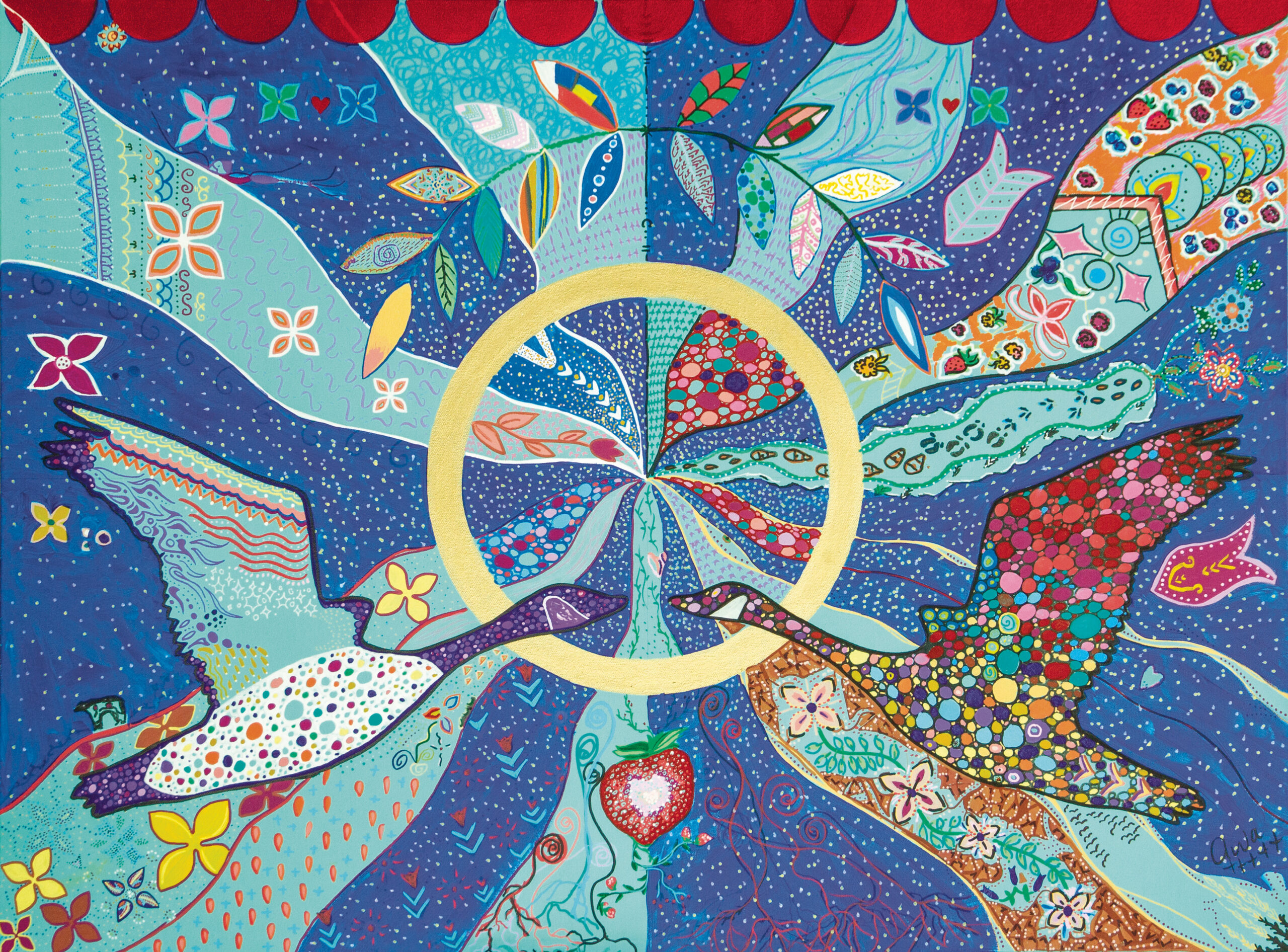
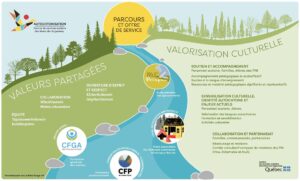
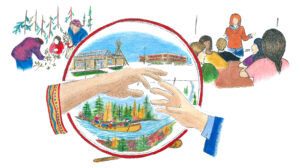
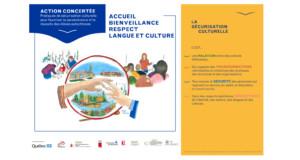
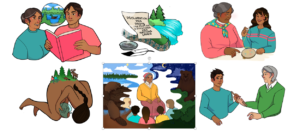
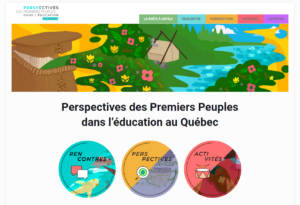
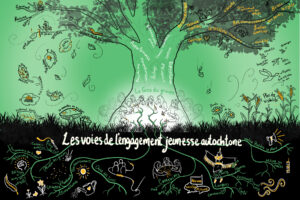
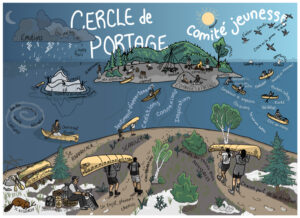
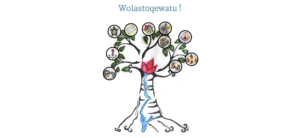
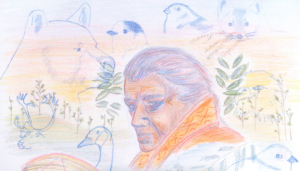
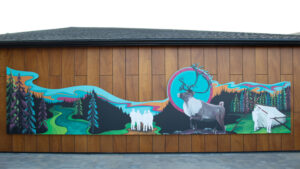
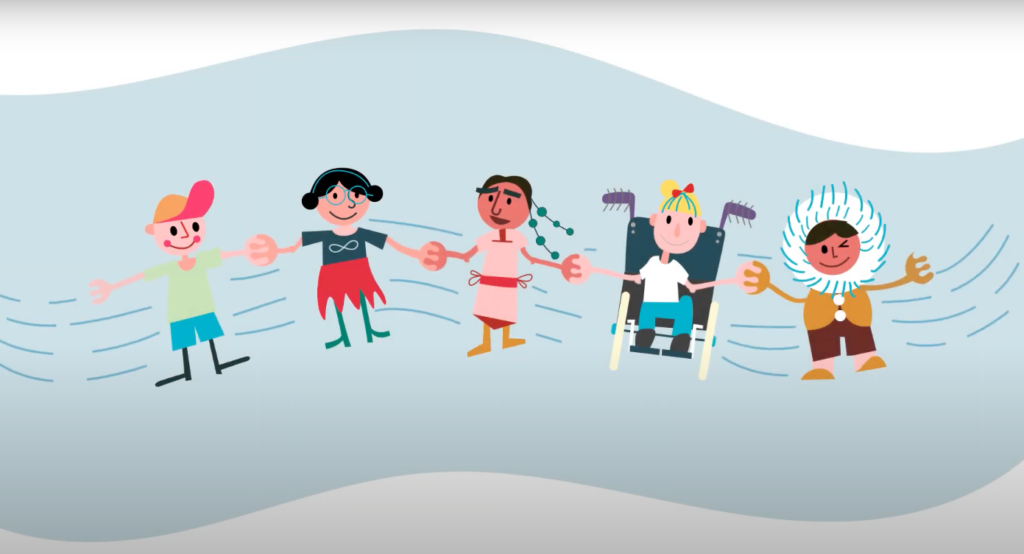
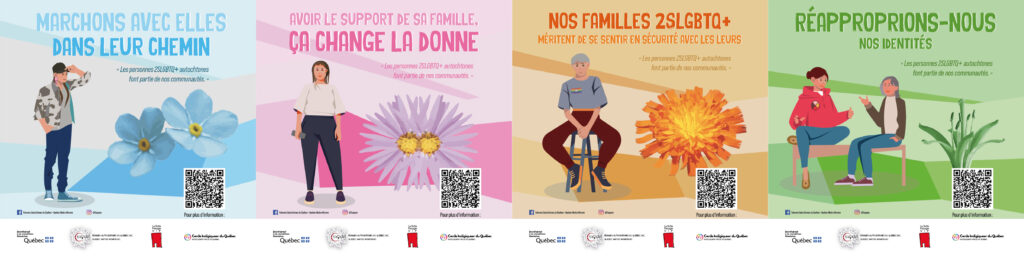
Banner illustration created by Eruoma Awashish with participants at the 2025 Annual Gathering.
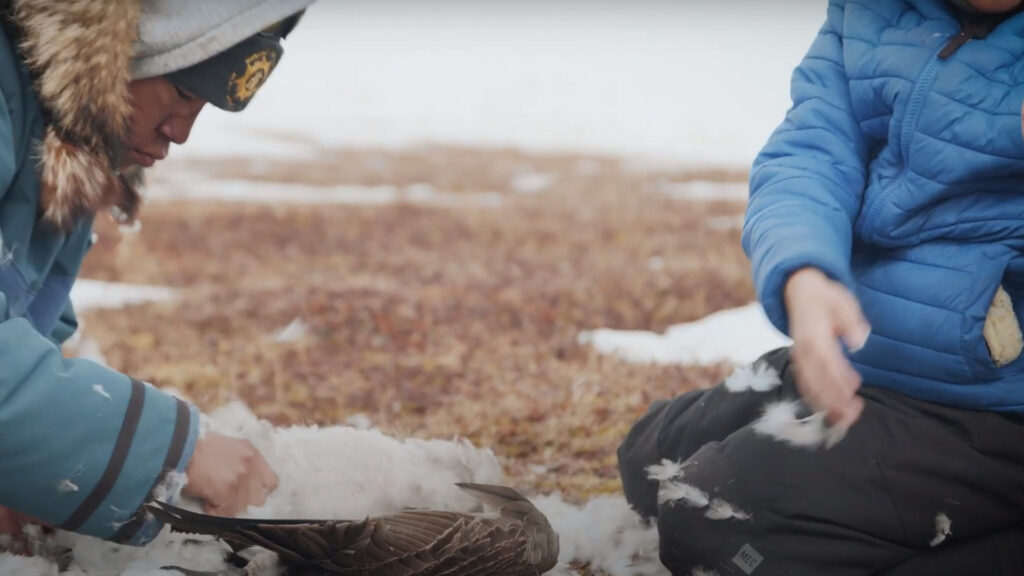
Title of the work: Tshinishkumitin, which means “thank you” in Innu, or more specifically, “I offer you a goose. ” For Eruoma, this name is a symbol of gratitude.
Message from the Programming Committee:
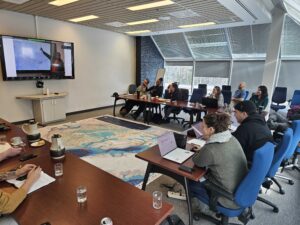
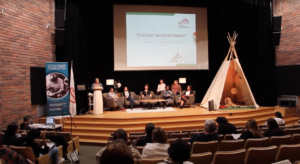
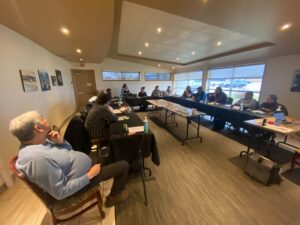
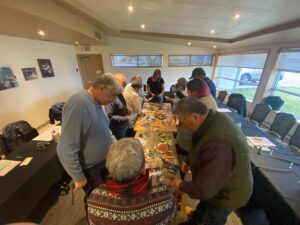
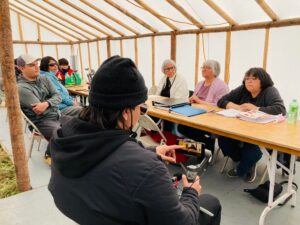
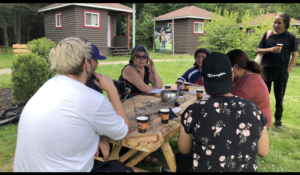
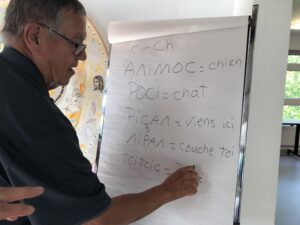
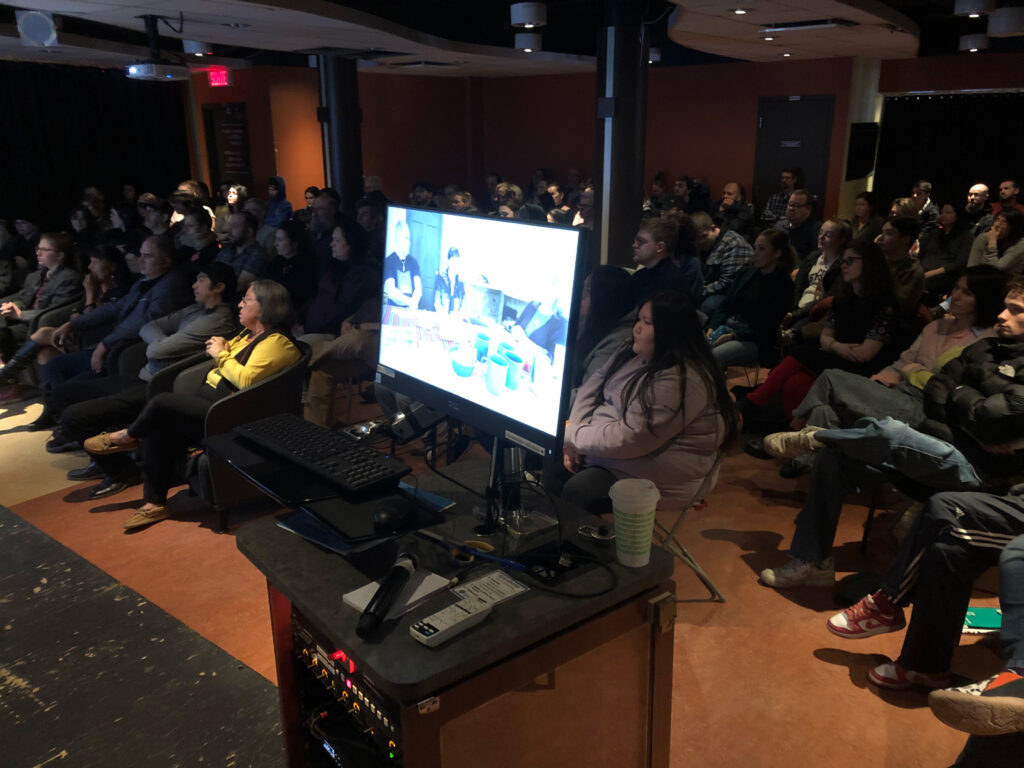
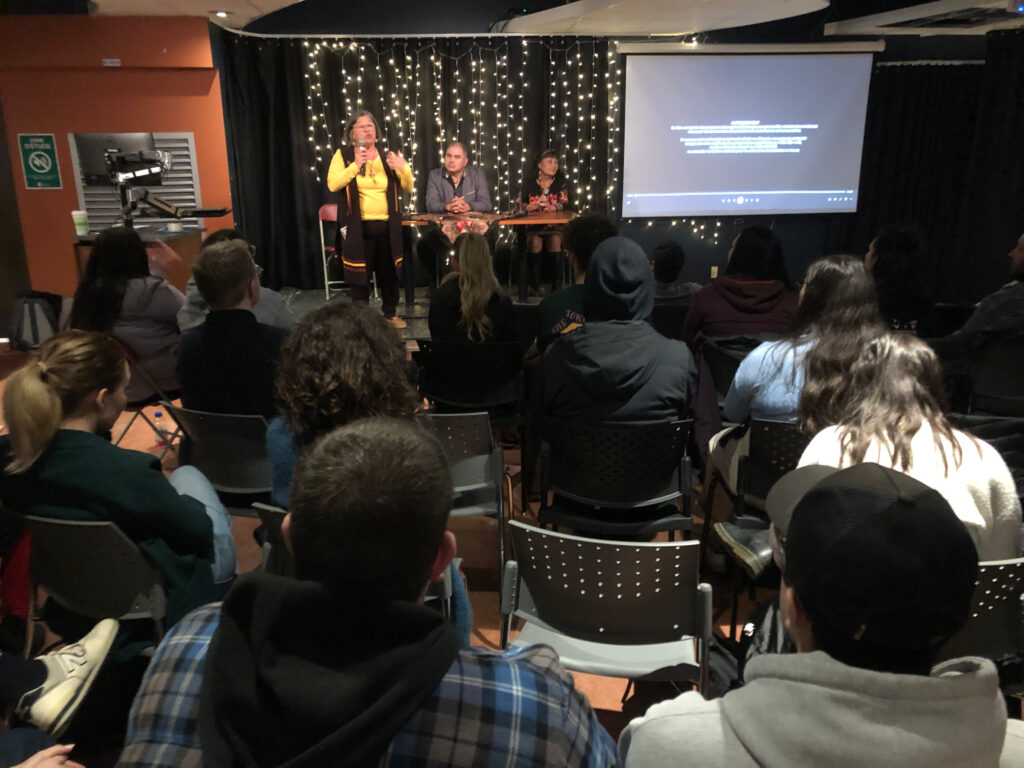
This 5th edition of the Annual Gathering explores the diverse forms that Indigenous archives can take. Over the course of three days, this gathering will bring together First Nations and Inuit knowledge holders, document management specialists, and heritage institutions to affirm the living nature of memories and practices passed from generation to generation through oral traditions. Knowledge holders can be considered archives in their own right : an elder can be regarded as a “living archive” for their experience and knowledge. We are convinced that embracing Indigenous perspectives on what constitutes primary sources of history will inspire us to find solutions to real challenges posed by the fragmentation of archives, unequal access to collections, the lack of appropriate resources, and management frameworks that are insufficiently aligned with Indigenous protocols. The Programming Committee hopes that this gathering will facilitate knowledge exchange, the sharing of experiences, and the development of collaborative, sustainable, transferable preservation strategies within different communities while supporting their sovereignty over their collective memory.
Monday, November 2nd | Tuesday, November 3rd | Wednesday, November 4 |
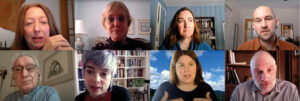
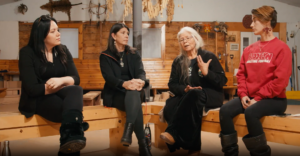
TRANSMISSION: Share and discuss our archival experiences 6:30 a.m. Sunrise ceremony 9:00 a.m. Official Opening 9:15 a.m. How to make friends in the archives while traveling all over Quebec! Dominic Lafontaine recounts his tour of Indigenous museums and archive keepers in Quebec. __________________________________________ 10:00 a.m. PANNEL AND DISCUSSION: What are living archives? Indigenous archives are not limited to written documents, materials and recordings preserved in Western institutions; they also include forms of living memory. In this panel, we will hear several examples and perspectives on what constitutes living archives, and how archives can support the resurgence of Indigenous communities and cultures, and how they are valued | PRÉSERVATION: Taking stock and action 6:30 a.m. Sunrise ceremony 9:00 a.m. Knowledge from Wolastoqey and W8banaki Oral Traditions: Potential Applications, Ethical Issues, and Approaches to show value This presentation examines the still underutilized potential of the Wolastoqey and W8banaki oral traditions as a source of knowledge, through research projects, ethical considerations, and a case study illustrating the challenges faced by museums, researchers, and Indigenous knowledge holders. It aims to equip participants with tools to foster respectful collaborations between academic and institutional circles and Indigenous communities. __________________________________________ 9:45 a.m. PANNEL AND DISCUSSION: How can we make archives more accessible to community members? To this day, Indigenous community members face numerous barriers to accessing archives related to their own families and communities. How can we address structural barriers to better support the need for cultural transmission and expression? How can we ensure the ethical reuse of data once a creative project, research study, or a claim is complete? | |
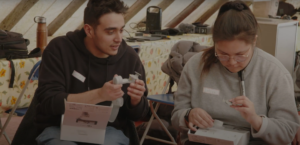
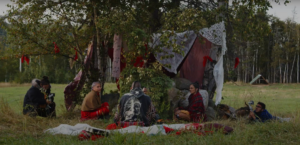
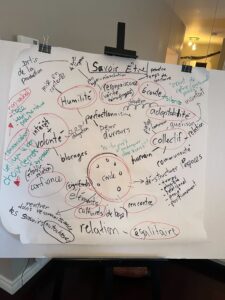
1:00 p.m. – 4:00 p.m. Workshop: Creating archives for cultural transmission Performing the setup of traditional tents as an example, this workshop will provide an opportunity to consider the various stages of a documentation project. (Registration required – Limited spaces available) __________________________________________ 6:00 p.m. – 7:00 p.m. Annual General Assembly of La Boîte Rouge VIF (Virtual option available upon request) | 13:30 p.m. Reflexion Workshops Four workshops on real challenges and opportunities involving archives in various Indigenous creative and community contexts. Workshop 1: Partnerships for the repatriation and reappropriation of archives Workshop 2: Archival description in Indigenous languages Workshop 3: Activating archives through story Workshop 4: Collective artwork | 1:30 p.m. Summary Workshop Using the world café method, we will discuss three key issues to better understand Indigenous communities’ priorities regarding archives. __________________________________________ Closing ceremony |
3:45 p.m. – 7:00 p.m. Ideas Fair & Discovery Booths Musical Happy Hour |
Moderators and guests will be announced in the next communication.
Program Committee : Orélie Brûlet, Juste Roy, Julie Girard, Jean-Luc Paul, Lydia Mestokosho-Paradis, Mathieu Boily, Sarah Ann Gauntlett, Véronique Rankin et Valérie Blackburn
Researcher : Laurent Jérôme
Consultant : Carl Morasse
Logistics : Valérie Blackburn
Acknowledgements : Eruoma Awashish